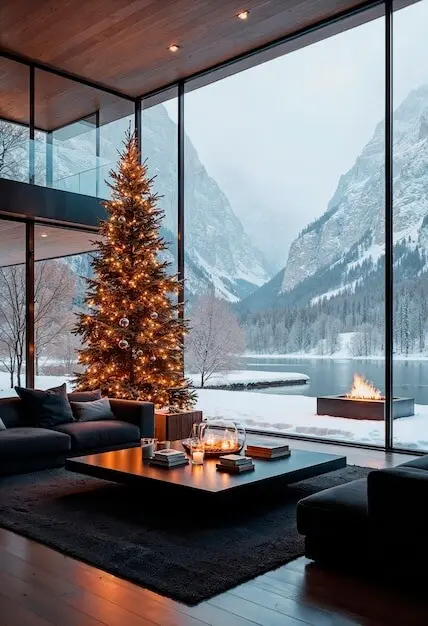
Rooms That Listen Back Among Peaks

Today we explore Mountain Hi‑Fi: designing listening rooms and embracing natural soundscapes. Imagine a ridge‑top retreat where a whisper of wind becomes counterpoint to a cello, where room geometry, materials, and careful power management help recordings bloom while the surrounding wilderness speaks softly. This guide blends acoustic science with alpine craft, sharing practical steps, small victories, and field‑tested rituals so your system feels grounded in place, invites mindful listening, and lets every season write its own quiet liner notes.

Choosing the Mountainside: Silence, Shelter, and Orientation

Every unforgettable room begins long before the first panel is hung, with choices about slope, shelter, prevailing winds, and nearby water. Mountain streams charm the eye yet mask detail if placed too close; snowfields absorb traffic roar; timber breaks gusts and diffuses birdsong. By lowering the mechanical noise floor and orienting walls away from harsh reflections, you invite space, depth, and relief into daily listening.

Proportions that Sing: Dimensions, Modes, and Bass Strategy

Low frequencies reveal the skeleton of a room. In mountains, asymmetry from timber frames and pitched ceilings complicates standing waves, yet thoughtful ratios, strategic seating, and distributed bass systems transform bloat into warmth. Plan dimensions before finishes; commit to measurement sweeps; visualize modes; then blend absorption, diffusion, and multiple subwoofers so crescendos expand without mud while intimate passages retain body and believable weight.

Golden‑Ish Ratios for Real Cabins

Classic ratios guide, but cabins rebel. If ridge beams pinch width or dormers intrude, prioritize modal spread over symmetry. Nudge ceiling height with clouds, steal inches from storage, and aim for staggered axial frequencies that share load rather than clumping into boomy, stubborn clusters.

Subwoofers as Mountain Guides

Two small subs placed thoughtfully often outperform one giant unit. Test mid‑wall and front‑corner pairings, consider a four‑point distributed array, and cross lower than expected. By smoothing peaks across seats, you gain texture, not just pressure, letting bass lines articulate fingers, strings, and room boundaries.

Measuring, Moving, and Listening

Run sine sweeps, then play a familiar track where the kick and upright argue politely. Walk the room, mark hot and hollow zones, adjust placements inches at a time. Trust the graph, but honor goosebumps, because translation across recordings proves your decisions in real listening.

Surfaces That Breathe: Wood, Stone, Wool, and Diffusion

Materials in mountain rooms carry stories: beetle‑kill pine with blue streaks, river‑smoothed stone, dense wool packed with lanolin. Each surface changes decay times and tone color. Combine soft, mid, and hard responses so voices hang naturally, cymbals shimmer without sting, and the fire’s crackle remains textured, not splashy.

Windows to the Wild: Framing Views Without Losing Focus

Views inspire while glass conspires. Large panes welcome dawn alpenglow yet reflect, ring, and leak heat. Choose laminated makeups with acoustic interlayers, design deep frames, add exterior shutters, and integrate layered drapery on quiet tracks so daylight and reverberation become partners, not rivals, in your daily sessions.
Altitude punishes poor glazing. Favor triple units, argon or krypton fills, and warm‑edge spacers; specify laminated lites to damp resonance. Between storms, temperature swings stress seals, so commission careful installation and verify with clap tests and impulse checks before furniture fixes problems that glass created.
Treat windows like instruments you can retune. Tall, lined drapes on curved tracks, hinged shutters clad in felt, and sliding absorber panels shift decay in seconds. Morning jazz may prefer soft folds; evening folk near the hearth might enjoy more sparkle and view.

Systems for Altitude: Gear, Power, and Vibration Control

Altitude and weather challenge electronics. Voltage sags, static snaps, and floors heave with thaw. Choose components tolerant of cold starts, isolate from vibration with broad platforms, and manage power with whole‑home surge protection plus regenerative conditioners. When storms grumble, the stage should remain wide, stable, and unflustered.

From Recordings to Rivers: Practices, Playlists, and Community

Places teach listening habits. In high country, nights stretch, fireplaces whisper, and owls punctuate rests. Build rituals that respect that cadence: slow cues, soft talk, lights that dim gradually. Blend curated playlists with occasional field recordings so the room becomes both refuge and window, continually renewed by weather.
Arrange mornings for clarity and evenings for warmth. Try sunrise choral works while frost evaporates, then let strings glow after sundown as woodstove embers settle. The mountain will suggest tempos; you simply choose companions, chairs, and a pause long enough to truly arrive.
Carry a tiny recorder on hikes and capture breezes, ravens, and distant falls. Back home, tag files with locations, seasons, and moods. On reflective nights, mix them quietly under solo guitar, letting geography shade harmony without distracting from melody, intent, or the soft turn of pages.
Tariloropirazeraravo
Privacy Overview

This website uses cookies so that we can provide you with the best user experience possible. Cookie information is stored in your browser and performs functions such as recognising you when you return to our website and helping our team to understand which sections of the website you find most interesting and useful.